
Keeping up with Competitive Socialising - The EAG expo 2026
Thoughts and insights to the competitive socialising industry from the UK’s only social gaming expo. What we can expect from 2026 in the industry as operators and suppliers.
We travelled to London to attend the EAG Expo at the ExCel in London, the UKs only conference and exhibition for the competitive socialising industry. It was great to see so many suppliers and operators in the same building all talking about one thing - how to keep social gaming in growth in 2026. We talked to a few exhibitors and attended a couple of seminars - This is our in depth round up of what we saw, and what our predictions are for the coming year.
Before we dive into this, you want the short version? Here’s a copy of our Instagram reel about our day at the expo. Or you can check it out on our Instagram Page
A huge shift from analogue to digital - The advantages this can award to independent venues.
One of the most stark observations we had while we were exploring the floor was the overwhelming focus on digital, projector, simulator and electronic offerings. We were surprised to find not one analogue activity exhibiting. No companies offering axe throwing lanes, no suppliers building physical crazy golf courses, and not one escape room designer or builder. There were plenty of activities such as indoor bowls, crazy golf, shooting games, karaoke booths, but all of them were autoscoring, projector based technological advancements of the games/ sports.
On the surface it started to worry us - where are the traditional, analogue activity venues? We work with lots of independent operators with anything between 1 - 10 venues who run activities such as axe throwing, escape rooms and indoor crazy golf and it looked very much like they wouldn't find anything relevant or helpful to them if they were to attend the expo. But we must admit we have seen a shift towards venues adding in VR type experiences to existing operations, golf or shooting simulators, or shuffleboard tables and auto scoring darts. But I think it's safe to say that the appetite for analogue activity is still very relevant and strong.
I actually think that this could award those physical gaming venues an advantage as the industry moves forward. What we are seeing is more similar venues popping up all with the same tech, and it’s only going to become more and more common if events like the EAG expo are full of the same companies pushing the same products. It's great business for the suppliers - Getting a sign up to their tech in every city in the UK is great for their distribution, but it's boring for the customers. Tourism in the UK is very dependent on unique offerings, and if they can get the same games and experiences at home then it's not very exciting anymore.
This is where competitive analysis comes in so important for independent venues. Making sure your core offering is unique and more importantly, innovation is the key to winning the monopoly. Staying ahead of the game rather than just getting the same machines as everyone else after the fact, can be the difference between surviving and profit making.
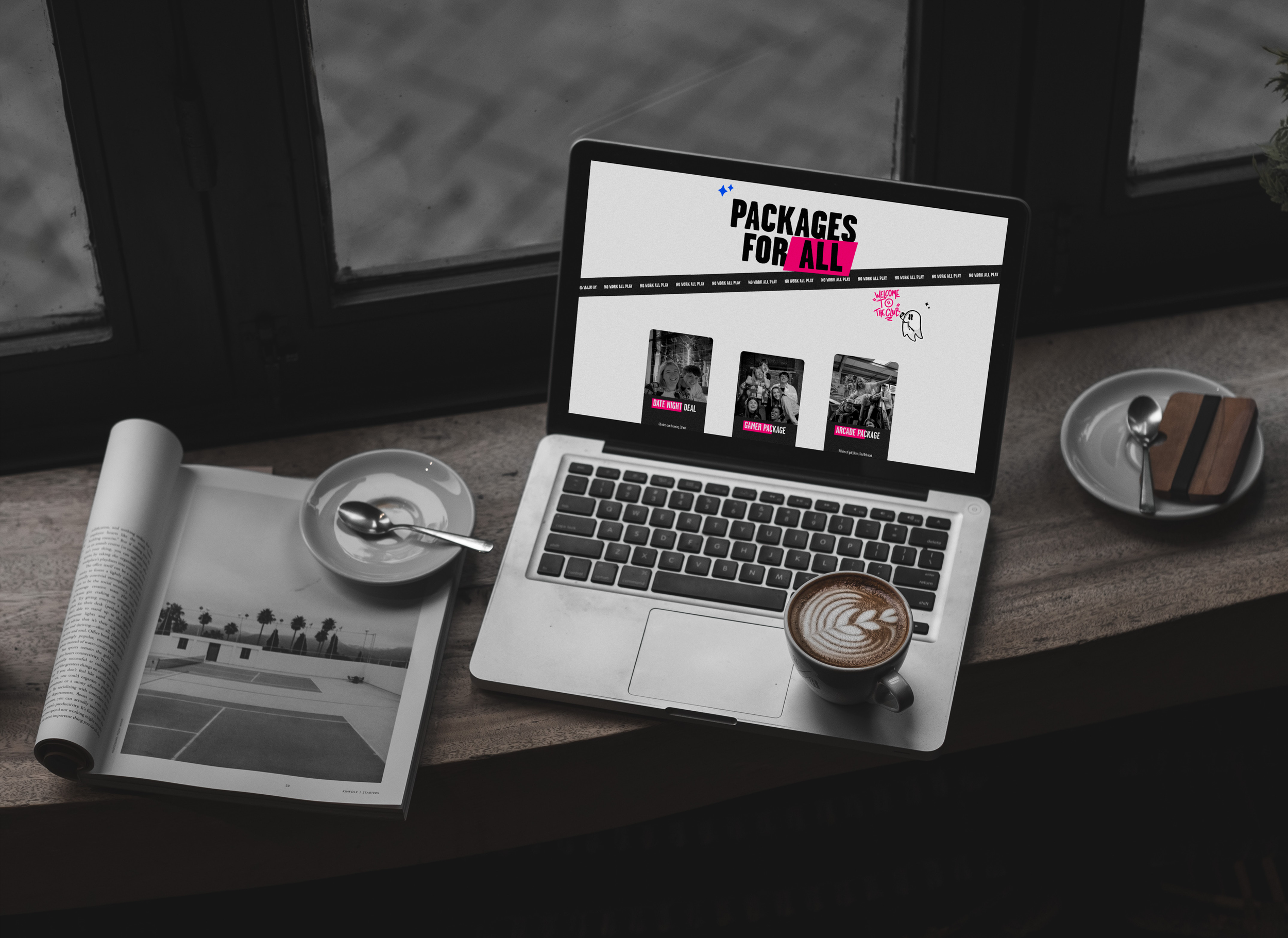
The word on everyone’s lips is strategy - If its not your 2026 mantra, you are leaving sales on the table.
Word on the street is that we as an industry need to start thinking about sales and marketing more like the retail sector. Act like the big boys even if you're independent. Data is an important commodity and if you're not using it to make informed decisions then you might be playing fast and loose with your future stability.
There isn’t really much of an excuse in this day and age to not be tracking your data, whether you do it manually or use tools to collate it for you. Lets move on from making business moves just because we want to or because we ‘feel’ like it's the right way to go. Don’t get me wrong there is a very important place for gut intuition, but building your sales, informing growth and planning your marketing isn't it.
There were some really great conversations in one particular seminar between Amber Staynings (Bums on Seats), Chloe Dodd (The Opportunity Company), Rachel Lamb (Shuffle Club) and Rosie Marsh (The London Hospitality Girl). Chief of which was
“If it's a sales problem today, it was a marketing problem 3 months ago…”
If you hear me saying this in meetings from now on, you know where I heard it first (!) and you can bet your bottom dollar I'll be saying it. There was a lot of alignment in the Rogue State way and the way these professionals were approaching sales and marketing. You’ll see on the Rogue State website in our sales and marketing strategy section - we say “Separating sales and marketing is like separating tequila and time - you could but why would you want to?”. And this was very much a thread throughout the seminar. Sales and marketing are so closely linked, so why have them on opposite sides of the table?
Set up your sales and marketing strategy with professional input. Track your stats and use the data to make informed decisions. That should be 101 of running a business, yet so many independents think that they aren’t ‘big enough’ to need to do it.
Discounts are dead - You're just devaluing your offer.
Now this was a really interesting conversation. ‘Discounts are dead ’ is a big old claim, so many people rely on it to push sales… but all that proves is that your product isn't worth the price on its head. And I'm inclined to agree.
I think that you can get into really dangerous territory if the only way you can get people through the door is with an offer or a discount. I think that is why so many venues across social gaming, hospitality and tourism all see bumper weekends then can’t seem to get anyone to book off peak. If you are finding that it's only worth opening Friday, Saturday Sunday then it's likely you find yourself in a discount loop too. This is why doing the work on your position in the market, competitor analysis and what your offer/ products are is so important. If you didn't deep dive into this section of your business when you first opened then do it now, and even if you did, maybe it's time for a refresh. If you're not sure where to start with this then just drop us a message, we’d love to help you out.
There are few key things to think about when it comes to rounding out your offer, so that you don’t have to be so discount driven.
Deep dive into your customer profiles, really understand what they want and curate packages and products that cater specifically to them. That's how you effectively fill out a full schedule of sales throughout the week/ month/ year.
Add in experience to add value to your offer. This is essentially the opposite of discounting, don’t give them the experience for less, give them more for the full price, then it will seem more worth the money they spend, and people won’t mind spending it.
Think more about your corporate hospitality and play like the big boys do. Are you managing your corporate clients like they are accounts? Do you offer tiered loyalty? Put on events for them? Send them a Christmas card? If you're not then you're probably not doing enough to nurture those relationships.

How to frame your offering so it’s seen as value rather than cost - in a cost of living crisis.
No one is saying it's not tough times out there right now, because it is, but there are some people who are swimming and some who are sinking. And if you want to be on the olympic team you need to start framing your offer as ‘value’ so that people don’t see the price at the payment gateway as a cost. The discussion on this topic was lively, not because anyone had contradicting opinions, in fact everyone was on the same team here. It's because there were so many ideas and solutions being flung around - and most of them weren’t exactly rocket science to implement into your business too.
Make it easy for the guest to understand - All of this is in aid of one of our biggest mantras (make it as easy and quick as possible for people to go from wanting it to buying it). Taking out friction is the easiest way to achieve this. If you need a diploma just to understand your pricing structure, then you're putting people off wanting to purchase. Make it easy and simple to understand. Three packages, 4 tiers, two simple products - whatever the structure may be, if you need a phone call to explain it, then it's too complicated.
Build packages with everything in - Don’t make people have to add food, add activities, add transport, add drinks, add people etc. Tell the people what they want. This all goes back to understanding your customer profiles, building them packages that give them everything you know they want on a plate. You can remain flexible for those who want to play the details game, but otherwise wrap it all up in a neat little bow.
Cost and value perception are two different things - You need to frame your products and offering with value. What will people get from this meal/ experience/ tour? Explain the outcome and leave the money out of it.
Do your competitive analysis - You need to know what you are up against in your own territory. What are other people offering and how much for? This is work worth doing to make sure that your position is clear to your target audience.
Venues who experience a fall in sales tend to do the same things…
It’s natural that things may ebb and flow to some degree, especially in uncertain times. But often it's the same mistakes I see over and over where business owners skip crucial steps then wonder why they can’t get people through the door. This was a great topic discussed at the seminar and I think there were some key takeaways from this section of the conversation.
Venues who panic in this situation just perpetuate the issues that got them there in the first place - The first thing to say here is don't panic! When people panic they tend to change 20 different things at once, then can never replicate success, because they don't know what worked. Be flexible enough to be able to respond to big shifts in your market, but make sure to use data to inform your decisions.
Utilise every opportunity with the people you do get through the door - It's easy to spend all your time and budgets on customer acquisition, but creating loyalty is important too. Make sure that the people who are booking get the best experience, find the opportunities to increase your spend per head with additional activities, food, drink, merch - whatever you have to offer. And make sure the service matches.
Understand your data - Your data is unique to you and you should know how to read it so you can see the gaps before they hit you, normally 6-8 weeks in advance.
Have a strategy - This one is easy, have a strategy. Make sure it is aligned to your business goals, customer profiles and cashflow forecast and then make sure that the delivery is on point.
We are really looking forward to working with our existing clients as well as new ones in the future, with the renewed insights into the industry. Although there was nothing groundbreaking to learn (we already work with clients on the majority of this) it was great to see that we are as a consultancy aligned with the industries we serve.
If there is anything in this post that you want some help with, just reach out. We are really looking forward to working with new businesses in 2026.